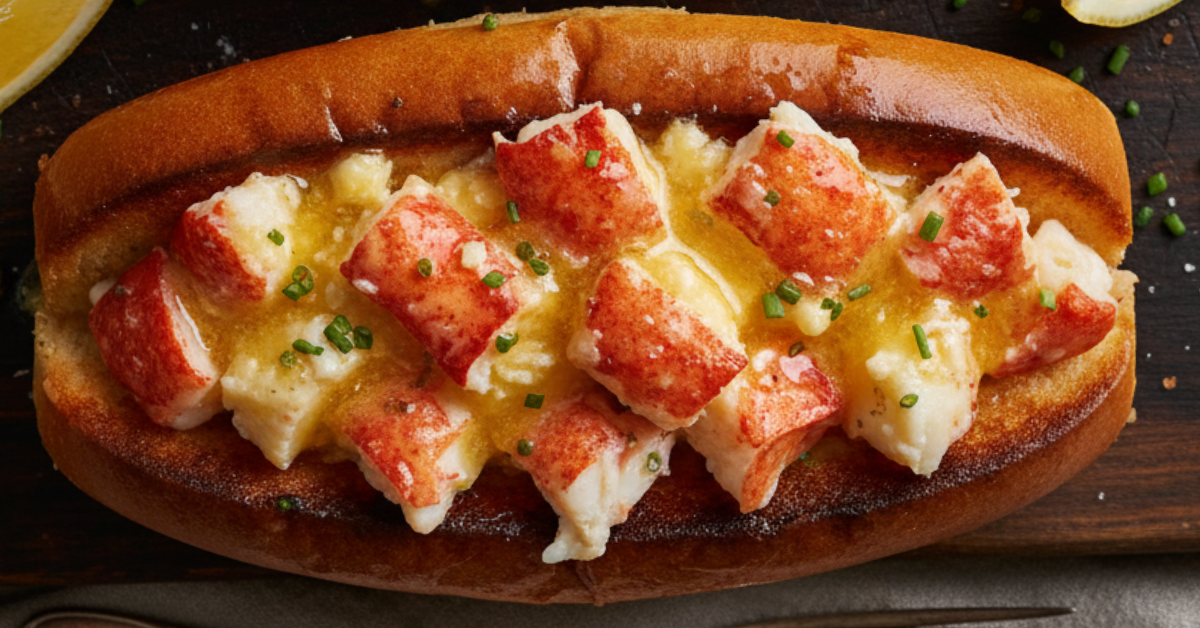
The humble lobster roll stands as an undisputed icon of New England cuisine, a simple yet profoundly satisfying dish that evokes seaside memories and summer bliss. But like many regional specialties, it comes with a delicious division: the creamy, chilled Maine style versus the warm, buttery Connecticut style. Both offer an exquisite experience, but they cater to different palates and preferences. Understanding the nuances of each can help you decide which classic New England lobster roll truly suits your taste.
The Classic Maine Lobster Roll: Cool, Creamy, and Iconic
When most people picture a lobster roll, they're often envisioning the Maine style. This rendition champions the natural sweetness and tender texture of the lobster meat by dressing it minimally. The philosophy here is to enhance, not overshadow, the star ingredient. Imagine succulent chunks of fresh lobster meat – a delightful combination of sweet claw, firm tail, and tender knuckle – lightly coated in mayonnaise. This isn't about drowning the lobster; it's about providing just enough creamy binder to hold it together and add a touch of richness.
A true Maine-style lobster roll recipe often includes a few simple, complementary ingredients:
- High-Quality Mayonnaise: The key is a good quality mayo that provides creaminess without overwhelming the delicate flavor of the lobster.
- A Squeeze of Lemon Juice: A bright splash of citrus cuts through the richness and awakens the flavors, adding a zesty finish.
- Celery: Finely diced celery provides a crucial textural contrast, offering a refreshing crunch that complements the soft lobster meat.
- Fresh Herbs: While optional, a sprinkle of fresh parsley or chives can add a hint of herbaceous freshness.
- Salt and Pepper: Simple seasoning to bring out the best in the lobster.
The filling is served cold, nestled into a soft, split-top hot dog bun. These New England-style buns are traditionally buttered and toasted to a golden crisp on both sides, providing a warm, buttery contrast to the cool, creamy filling. This interplay of temperatures and textures – cool, sweet lobster; crisp, fresh celery; tangy lemon; and warm, buttery bread – is what makes the Maine lobster roll such a timeless delight. It's the kind of nostalgic treat that transports you to a roadside stand, savouring ocean-fresh flavours on a warm summer day.
The Connecticut Lobster Roll: Warm, Buttery, and Indulgent
For those who prefer a warmer, richer experience, the Connecticut-style lobster roll offers a decadent alternative. Instead of a mayonnaise-based dressing, this version celebrates the lobster meat by drenching it in warm, melted butter. It's a testament to the luxurious simplicity of fresh seafood combined with the unparalleled richness of butter.
The preparation for a Connecticut lobster roll recipe is elegantly straightforward:
- Cooked Lobster Meat: The same high-quality lobster meat (claw, knuckle, tail) is used, ensuring a variety of textures and flavors.
- Warm Melted Butter: This is the star of the show. The lobster meat is gently warmed, often in a skillet, and generously tossed with melted butter. Some prefer clarified butter for an even purer butter flavor.
- Minimal Seasoning: Often, just a pinch of salt and pepper is all that's needed, allowing the natural sweetness of the lobster and the richness of the butter to shine through.
Like its Maine counterpart, the warm, buttery lobster is served in a toasted, buttered, top-split hot dog bun. The warmth of the lobster and butter seeps into the toasted bun, creating an incredibly comforting and indulgent sandwich. There's a primal satisfaction in biting into warm, tender lobster meat dripping with golden butter. It’s less about a symphony of diverse textures and more about the pure, unadulterated indulgence of premium lobster and butter.
Beyond the Basics: Shared Secrets and Customization
While the dressing defines the two main styles, many elements are crucial to any great lobster roll, regardless of regional allegiance. Whether you're making a cold or warm lobster roll, the foundation of a truly exceptional lobster roll recipe lies in the quality of your ingredients, especially the lobster itself.
Choosing Your Lobster Meat
The type and quality of lobster meat significantly impact the final product:
- Combination is Key: A mix of claw, knuckle, and tail meat offers the best experience. Claw meat is renowned for its sweetness and tenderness, knuckle meat provides a slightly firmer but still sweet bite, and tail meat offers a robust texture with excellent flavor.
- Fresh vs. Frozen: Freshly cooked and shelled lobster meat offers superior flavor and texture – it's tender, juicy, and vibrant. However, it's often more expensive and has a shorter shelf life. Frozen lobster meat has come a long way; modern processing often freezes lobsters within hours of being caught, preserving much of their freshness. While the texture might be slightly altered, it's a more economical and accessible option for a delicious homemade treat.
- Cooked or Live: For convenience, buying pre-cooked lobster meat is a time-saver. If you're up for the adventure, steaming live lobsters ensures the freshest possible meat, though it adds significant prep time.
The Essential Bun
The bun is not just a vessel; it's an integral part of the experience. The traditional New England-style top-split hot dog bun is paramount. Its flat sides are perfect for buttering and toasting in a skillet or on a grill, ensuring a golden, slightly crisp exterior that cradles the generous filling. While variations exist (brioche, croissants, ciabatta), the classic top-split bun offers the ideal balance of softness and structural integrity.
Making It Your Own
Beyond the classic Maine and Connecticut styles, the lobster roll is ripe for personalization. Think of these as delicious starting points for your culinary creativity:
- Spicy Kick: Infuse your mayo with sriracha or add finely diced jalapeños for a fiery twist.
- Herbal Infusion: Experiment with fresh dill, chives, or tarragon for different aromatic profiles.
- Asian-Inspired: A dash of hoisin sauce, a sprinkle of sesame seeds, and fresh cilantro can transport your roll to another continent.
- BLT Fusion: Add crispy bacon, fresh lettuce, and ripe tomato for a hearty, multi-layered sandwich.
For more detailed advice on making your creation truly special, check out our article on Homemade Lobster Rolls: Essential Tips for Perfect Flavor & Texture.
Crafting Your Perfect Lobster Roll at Home
Recreating that perfect roadside stand experience at home is surprisingly achievable. With cooked lobster meat, a delicious lobster roll recipe can be assembled in as little as 10 minutes. Here's how to ensure success:
- Prepare Your Lobster: If buying whole cooked lobster, remove the meat from the tails, claws, and knuckles. Chop it into bite-sized pieces, ensuring a good mix of textures.
- Choose Your Style:
- For Maine (Cold): In a bowl, gently combine the lobster meat with a light coating of mayonnaise, a squeeze of fresh lemon juice, finely diced celery (for crunch), salt, and black pepper. Add a sprinkle of fresh parsley if desired.
- For Connecticut (Warm): In a skillet over medium-low heat, gently warm the lobster meat in a generous amount of melted butter. Season with salt and pepper. Don't overcook; you're just warming the meat through.
- Toast the Buns: Melt a tablespoon of butter in a large skillet. Place the split-top buns, split-side down, in the melted butter and toast until golden brown and slightly crispy, typically 1-2 minutes per side.
- Assemble and Serve: Carefully fill each toasted bun with a generous amount of your prepared lobster mixture. Serve immediately and savor every bite.
Remember, the goal is to celebrate the lobster. Use just enough dressing or butter to enhance, not overpower, its delicate flavor. Experiment with the proportions of lemon, celery, and herbs until you find your ideal balance.
Conclusion: Which Lobster Roll Will You Choose?
Ultimately, the choice between a Maine-style and Connecticut-style lobster roll comes down to personal preference. Do you crave the refreshing contrast of cold, creamy lobster against a warm, buttery bun? Or does the pure, unadulterated luxury of warm lobster drenched in melted butter speak to your soul? Both styles offer a unique and deeply satisfying experience, deeply rooted in New England's culinary heritage. The beauty is, you don't have to choose just one. Try both, experiment with variations, and discover your own favorite way to enjoy this iconic seafood delight. Whichever lobster roll recipe you choose, you're in for a truly memorable meal.
