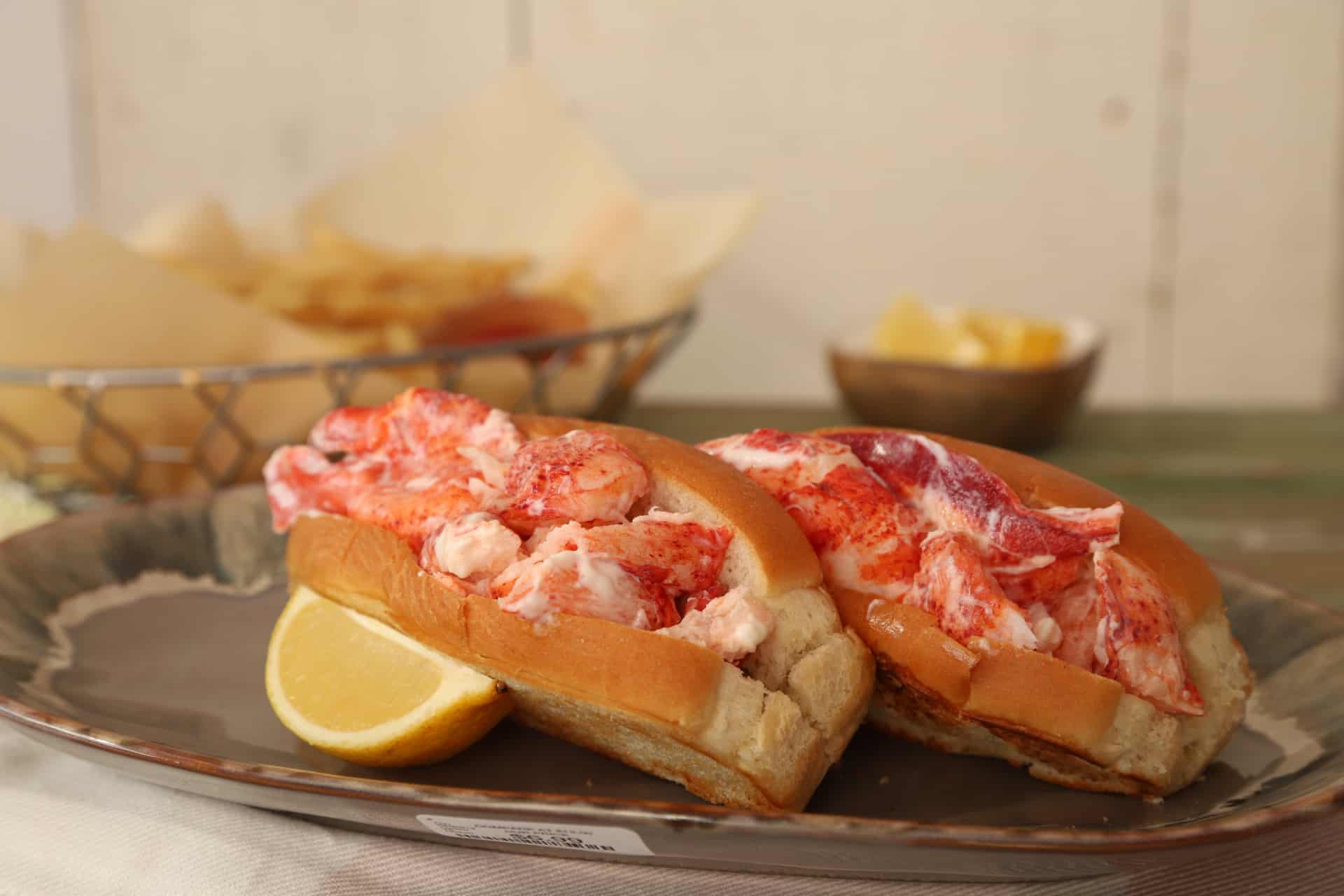
Homemade Lobster Rolls: The Ultimate Guide to Perfect Flavor & Texture
There are few culinary delights that conjure up images of sun-drenched coastlines, salty sea air, and pure summer bliss quite like a classic lobster roll. Originating from the charming fishing villages of New England, this iconic sandwich, celebrated for its simplicity and exquisite taste, has become a cherished symbol of seaside indulgence. While the thought of recreating this magic at home might seem daunting, mastering the perfect homemade lobster roll is not only achievable but immensely rewarding. This comprehensive guide will equip you with essential tips and insights, ensuring your homemade lobster rolls boast impeccable flavor and texture, rivaling those from the most beloved roadside stands.
The Quest for Perfect Lobster: Choosing and Preparing Your Star Ingredient
The very essence of a magnificent lobster roll lies, predictably, in the quality and preparation of its namesake ingredient. Getting this right is crucial for a truly authentic experience.
Selecting Your Lobster Meat: Fresh vs. Frozen, Tails vs. Claws
For an ideal homemade lobster roll recipe, a combination of lobster meat types is highly recommended. Each part contributes a unique texture and sweetness profile:
- Claw Meat: Known for its exceptional sweetness and delicate tenderness, claw meat is often the most prized.
- Knuckle Meat: Slightly firmer than claw meat but equally sweet, knuckle meat offers a satisfying chew.
- Tail Meat: This is the firmest and perhaps least sweet of the trio, but it provides a robust, flavorful bite that adds substance to the roll.
Combining these creates a symphony of textures that elevates the entire experience.
When it comes to sourcing, you have options:
- Fresh Lobster Meat: If you're fortunate enough to live near the coast or have access to high-quality fresh seafood, opt for fresh. It delivers unparalleled tenderness, juiciness, and a superior flavor. However, it's more expensive and has a shorter shelf life.
- Frozen Lobster Meat: Don't dismiss frozen lobster meat. Modern processing techniques often involve freezing lobsters within 4-8 hours of being caught, locking in maximum freshness. While the texture might be slightly altered compared to live-steamed, it's a convenient, more economical, and widely available option that still tastes great. If you choose this route, ensure it's fully thawed in the refrigerator before use.
If you prefer to steam your own live lobsters for the ultimate freshness, ensure they are cooked perfectly – just until opaque – to prevent toughness.
The Art of the Dressing: Mayo, Lemon, and a Touch of Crunch
The classic New England (Maine-style) lobster roll celebrates the lobster, not drowns it. The dressing should enhance, not overpower.
- Mayonnaise: Use just enough high-quality mayonnaise to lightly coat the succulent lobster meat, binding it together without making it overly wet or heavy. A good quality mayo provides a creamy richness without dominating the lobster's natural sweetness.
- Lemon Juice: A squeeze of fresh lemon juice is indispensable. It brightens the flavors, adds a crucial zing, and cuts through the richness of the mayo and buttered bun, providing a delightful balance.
- Celery: Finely diced celery is a non-negotiable addition. It provides a crucial textural contrast – a crisp, refreshing crunch against the soft lobster and bun – and a subtle, fresh vegetal note.
- Fresh Parsley: Chopped fresh parsley adds a touch of herbaceous freshness and a welcome pop of color.
- Salt and Black Pepper: Season simply to taste. A pinch of good sea salt and freshly ground black pepper are all that's needed to enhance the natural flavors.
For an extra layer of complexity, some home cooks like to add a tiny pinch of cayenne pepper for a subtle warmth or a dash of Old Bay seasoning, but remember, the goal is always to let the lobster shine.
The Unsung Hero: Crafting the Ideal Bun Experience
While the lobster filling is undoubtedly the star, the bun is its crucial supporting actor, providing the perfect stage for the flavors to unfold.
The Classic New England Split-Top Bun: A Foundation of Flavor
The traditional bun for an authentic lobster roll is the New England-style top-split hot dog bun. Its soft texture and unique design make it superior for several reasons:
- Easy to Fill: The top split allows you to easily load a generous amount of lobster filling without spillage.
- Perfect Toasting Surface: Its flat, parallel sides are ideal for buttering and toasting, ensuring a golden, crispy exterior on two sides, which is essential for texture.
These buns become wonderfully crisp on the outside while remaining soft and pillowy on the inside, creating a delightful contrast with the lobster salad.
Toasting to Perfection: The Buttered Brilliance
This small step is non-negotiable for a truly exceptional homemade lobster roll.
- Butter generously: Liberally butter the flat sides of your top-split buns. High-quality unsalted butter works best. You can even use clarified butter for a richer flavor without the risk of milk solids burning.
- Skillet or Grill: Heat a large skillet over medium heat (or use a grill). Place the buttered buns flat-side down. Toast until they are golden brown and perfectly crisp, usually a minute or two per side. This creates a warm, buttery, slightly crunchy vessel that perfectly complements the cold, creamy lobster.
The aroma of toasting buttered buns is an experience in itself, promising the deliciousness to come.
Beyond Tradition: Exciting Variations and Smart Substitutions
While the classic Maine-style cold lobster roll is a culinary masterpiece, there's always room for creative exploration and practical adaptations.
Exploring Different Lobster Roll Styles
The classic article focus, the
Master the Classic New England Lobster Roll in 10 Minutes, is on the cold, mayonnaise-based Maine-style. However, it’s worth noting its equally popular cousin:
- Connecticut-style: In this variation, the lobster meat is gently warmed and tossed in melted butter, sometimes with a touch of lemon, before being served in a toasted bun. This offers a different, equally delicious experience, focusing on the buttery richness. To learn more about the differences, check out our guide: Maine vs. Connecticut Lobster Roll: Which Style Suits You?
Creative Flavor Twists for Your Homemade Roll
Once you've mastered the classic lobster roll recipe, feel free to experiment with flavor variations:
- Spicy Kick: Introduce a touch of heat with sriracha aioli, finely diced jalapeños, or a dash of your favorite hot sauce mixed into the mayo.
- Herbal Infusion: Elevate the freshness by adding other finely chopped herbs like fresh dill, chives, or tarragon, which pair beautifully with seafood.
- Asian-Inspired: For an adventurous twist, add a hint of hoisin sauce, a sprinkle of toasted sesame seeds, and fresh cilantro to your lobster salad.
- BLT-Inspired: Combine the classic comfort of a BLT by adding crispy bacon bits, shredded lettuce, and diced tomato to your lobster mixture.
Budget-Friendly and Dietary Alternatives
Lobster, while exquisite, can be expensive and not always readily available. Here are some excellent alternatives:
- Shrimp Rolls: Substitute the lobster with cooked shrimp (grilled, boiled, or baked) for a fantastic and more economical "shrimp roll" that shares a similar preparation style. The sweetness of shrimp makes it a natural stand-in.
- Monkfish: Often called "poor man's lobster" due to its firm, sweet white flesh, cooked and chopped monkfish can be an excellent substitute, either entirely or combined with lobster meat to extend it.
- Imitation Lobster Meat: While not the same in taste or texture, imitation lobster meat offers a budget-conscious option that can still create a satisfying roll when dressed appropriately.
- Alternative Buns: If top-split buns aren't available, or you simply want to try something different, consider brioche buns for added richness, flaky croissants, sturdy ciabatta rolls, or even gluten-free alternatives to accommodate dietary needs.
Assembling Your Masterpiece: Tips for the Perfect Bite
With your perfectly dressed lobster and golden-brown buns ready, assembly is the final, delightful step.
- Generous Filling: Don't be shy! A hallmark of a great lobster roll is a generous mound of filling overflowing from the toasted bun. This ensures every bite is packed with flavor and texture.
- Immediate Serving: For the best experience, serve your homemade lobster rolls immediately after assembly. This preserves the delightful contrast between the warm, crisp bun and the cold, creamy lobster salad.
- Garnish: A final sprinkle of fresh parsley or a lemon wedge on the side adds a professional touch and extra burst of freshness.
Pair your lobster rolls with classic sides like crispy potato chips, a fresh coleslaw, or a simple green salad to complete the quintessential summer meal.
Conclusion
Making homemade lobster rolls is more than just following a recipe; it's about recreating a beloved experience. By focusing on the quality of your lobster, the careful balance of your dressing, and the perfection of your toasted bun, you can achieve a homemade masterpiece that rivals any seaside shack. This lobster roll recipe provides a foundation for endless enjoyment, whether you stick to the beloved classic or venture into creative new variations. So, gather your ingredients, follow these essential tips, and get ready to savor every perfect, buttery, lobster-filled bite.